
"natural wine process"
2000 article(s) found

Does Huofenghuang Manor have good beans? the planting and processing of single beans in Huofenghuang Manor
Professional barista exchange please follow the coffee workshop (Wechat official account cafe_style) Manor introduction: fire Phoenix Manor is located in the fertile Poas volcanic hills of the valley in central Costa Rica, is a completely 100% organically grown coffee farm, the manor pays great attention to the concept of environmental treatment (column: collecting Rain Water to handle coffee) and uses earthworms to cultivate (worm compost).

Latin American Coffee Bean Flavor Description Processing Country of Origin
Brazilian coffee beans are processed in three main ways: 1. washing treatment 2. drying/natural treatment 3. natural fermentation treatment of mucosa Typically, washed coffee beans have the brightest, clearest taste of all Brazilian coffee beans, and have the most unique acidity; and medium and high quality coffee beans.

Differences, distinctions and awards of single beans at Hartmann Manor in Panama
Exchange of professional baristas please pay attention to the coffee workshop (Wechat official account cafe_style) Panama Hartman Manor single bean difference, distinction and award-winning situation this batch is the red wine processing Kaddura seed, from a grinding out of a super strong fruit wine, accompanied by fresh smell of smoked wood, coupled with the sun's special sweet and fragrant berries, smell of the fragrance, you are drunk. Entrance

Hartman red wine processing method hand data Hartman red wine processing method how to drink coffee
For the exchange of professional baristas, please follow the Hartman made by hand in the coffee workshop (Wechat official account cafe_style). 15g powder, medium grinding (small Fuji ghost tooth cutter 4 grinding), v60 filter cup, 88-89 degrees water temperature, 30g water injection for the first time, steaming for 27 seconds, water injection to 105g water cut off, wait for the water volume of powder bed to be reduced to half and then water injection, slow water injection until 225g water, do not use water at the end.
How Coffee processing and fermentation affect the Flavor of Coffee introduction to traditional Coffee processing
Many coffee drinkers experience the bumps of the morning without thinking about it. But coffee is much more complicated than throwing crushed things into the machine and getting to work. In fact, coffee starts with a fruit called cherry, whose seeds are removed, dried and fermented to become coffee beans. Then bake them.

World boutique coffee farm beans; Harald mocha (part 1) in Ethiopia has a delicate and rich taste
[product name]: Ethiopia Harald Mocha (Ethiopia Harar Mokha) [quality rating]: DP Grade 4 [baking]: recommended moderate baking (Medium Roast or City Roast) [grade]: excellent [granule]: ★ full [acidity]: ★★★★ slightly sour, dark chocolate aftertaste [balance]: ★★★★ is very stable

What are the flavor characteristics of coffee from the Kaddura Pillon processing plant in Costa Rica?
Professional coffee knowledge exchange more coffee bean information please follow the coffee workshop (Wechat official account cafe_style) since the development of the coffee industry in Costa Rica since the mid-18th century, is the first country where coffee was introduced into Central America to grow, with a long history, therefore, the coffee organization is fully equipped from production to marketing system. In terms of quality and quantity, Costa Rican coffee has always been
What is Solar treatment? Guava Plain Manor in Guatemala New Oriental region
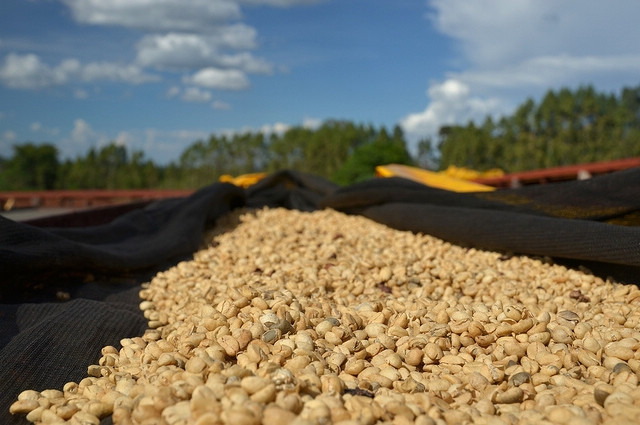
Sun drying: the sun drying method is also called natural drying because it uses natural sunlight to dry the fruits and raw beans of coffee. Due to the use of artificial and natural treatment methods in the process, the sun-cured beans look irregular and unflattering in appearance. 1. Choose beans: put the harvested fruit in the water tank, and the ripe fruit will sink, while the unripe and overripe fruit
Arabica Coffee Bean Red Wine treatment Coffee production area introduces Colombian flavor
Arabica coffee accounts for about 65% and 80% of the world's coffee beans, and its excellent flavor and aroma make it the only coffee among these native species that can be drunk directly and alone. However, its resistance to drying, frost, diseases and insect pests is low, especially to the biggest natural enemy of coffee, leaf rust, so all producing countries are committed to improving varieties. For example, the well-known Sri

How to make boutique coffee? what are the standards for where to produce and grow boutique coffee?
Professional coffee knowledge exchange more coffee bean information please follow the coffee workshop (Wechat official account cafe_style) what is boutique coffee? In a world where ◆ imitates wine, people often ask, "what is boutique coffee?" To put it simply, it means "coffee with good flavor", but if you say so, you will only get "Blue Mountain or Hawaii."

Muya Manor, Caldas Province, Colombia, describes the aroma treatment of anaerobic fermented wine.
Professional coffee knowledge exchange more coffee bean information please follow the coffee workshop (Wechat official account cafe_style) Muya Manor in Caldas province is located in Caldas province (Caldas), the average height is located at 1500 to 1600 meters, the owner Mr. Mauricio is the third generation, he is trying to improve the production mode of the estate, trying to transform from commercial to

Giant elephant beans | is there any difference between sun beans and washed elephant beans? Have you ever been faked and sold as Blue Mountain?
Giant elephant beans | is there any difference between sun beans and washed elephant beans? Have you ever been faked and sold as Blue Mountain? El Naranjo Dipilto. Orange Fruit Manor (Best of Nicaragua winning Manor | Award record: 2016. 1st) Variety: Maragogype producing area: Nueva Segovia (New Sagovia) area: Dipilto Grade: Strictly Hard Beans (S)

Description of Taste and Flavor of Coffee in Sidamo, Ethiopia Variety introduction of Manor treatment
Description of Taste and Flavor in Sidamo Coffee producing area of Ethiopia dry aroma: berries, tropical fruits, fermented wine, jujube, tea, milk chocolate. Wet aroma: medium sweet and sour aromas of sun berries, citrus, slightly fermented fruit, fruit wine. Palate: comfortable and interesting sour fruit, good sweetness and low thickness. Recommended production method:

Description of Taste and Flavor of Coffee in Sidamo, Ethiopia Variety introduction of Manor treatment
Description of Taste and Flavor in Sidamo Coffee producing area of Ethiopia dry aroma: berries, tropical fruits, fermented wine, jujube, tea, milk chocolate. Wet aroma: medium sweet and sour aromas of sun berries, citrus, slightly fermented fruit, fruit wine. Palate: comfortable and interesting sour fruit, good sweetness and low thickness. Recommended production method:
Sugar cane juice, red wine acid Kenyan Jinchugu coffee flavor, characteristics, taste and manor introduction
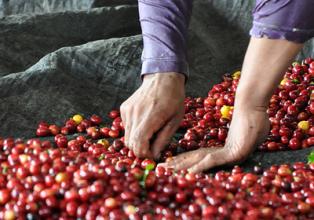
Enbu processing Plant (Embu Washing Station), which comes from Gichugu, adopts Kenyan double washing method and grows in Manyata-Enbu County on the eastern slope of the Kenyan Mountains from 1550 to 1750. The variety is Kenya's classic SL28,SL34, coupled with the large temperature difference between day and night in the deceived area, and the red phosphoric acid soil in Kenya, which makes the sour and sweet become the second order of this Kenyan branch.

Red wine acidity, Sugar cane juice, Kenyan Jinchugu coffee flavor, characteristics, taste and manor introduction
Enbu processing Plant (Embu Washing Station), which comes from Gichugu, adopts Kenyan double washing method and grows in Manyata-Enbu County on the eastern slope of the Kenyan Mountains from 1550 to 1750. The variety is Kenya's classic SL28,SL34, coupled with the large temperature difference between day and night in the deceived area, and the red phosphoric acid soil in Kenya, which makes the sour and sweet become the second order of this Kenyan branch.

Sugar cane juice, sour red wine, Kenyan Jinchugu coffee flavor, characteristics, taste and manor introduction
Enbu processing Plant (Embu Washing Station), which comes from Gichugu, adopts Kenyan double washing method and grows in Manyata-Enbu County on the eastern slope of the Kenyan Mountains from 1550 to 1750. The variety is Kenya's classic SL28,SL34, coupled with the large temperature difference between day and night in the deceived area, and the red phosphoric acid soil in Kenya, which makes the sour and sweet become the second order of this Kenyan branch.

Kenyan Jinchu Coffee Variety characteristics of sour Red Wine introduction to Fine Coffee beans in Manor
Enbu processing Plant (Embu Washing Station), which comes from Gichugu, adopts Kenyan double washing method and grows in Manyata-Enbu County on the eastern slope of the Kenyan Mountains from 1550 to 1750. The variety is Kenya's classic SL28,SL34, coupled with the large temperature difference between day and night in the deceived area, and the red phosphoric acid soil in Kenya, which makes the sour and sweet become the second order of this Kenyan branch.

Red wine fruit acid Kenyan Jinchugu Coffee Variety characteristics introduction to Fine Coffee beans in Manor
Enbu processing Plant (Embu Washing Station), which comes from Gichugu, adopts Kenyan double washing method and grows in Manyata-Enbu County on the eastern slope of the Kenyan Mountains from 1550 to 1750. The variety is Kenya's classic SL28,SL34, coupled with the large temperature difference between day and night in the deceived area, and the red phosphoric acid soil in Kenya, which makes the sour and sweet become the second order of this Kenyan branch.
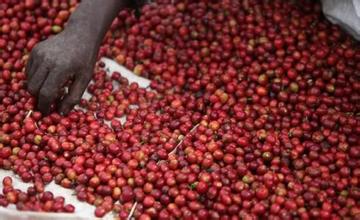
Sugar cane juice Red Wine Fruit Acid Kenyan Jinchu Coffee Flavor, characteristics, taste and Manor introduction
Enbu processing Plant (Embu Washing Station), which comes from Gichugu, adopts Kenyan double washing method and grows in Manyata-Enbu County on the eastern slope of the Kenyan Mountains from 1550 to 1750. The variety is Kenya's classic SL28,SL34, coupled with the large temperature difference between day and night in the deceived area, and the red phosphoric acid soil in Kenya, which makes the sour and sweet become the second order of this Kenyan branch.